English
 中文(简体)
 Français
 Deutsch
 Português
 Русский
 Español
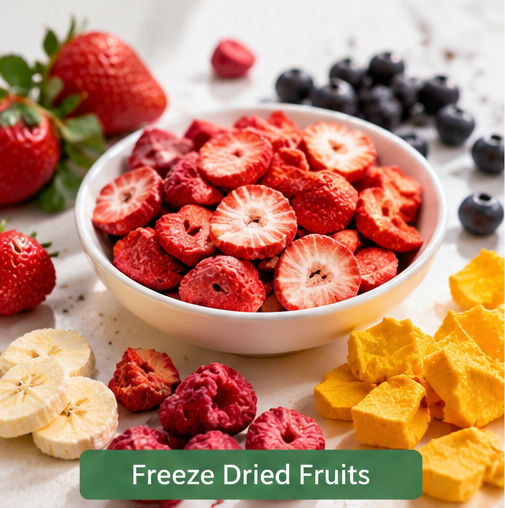
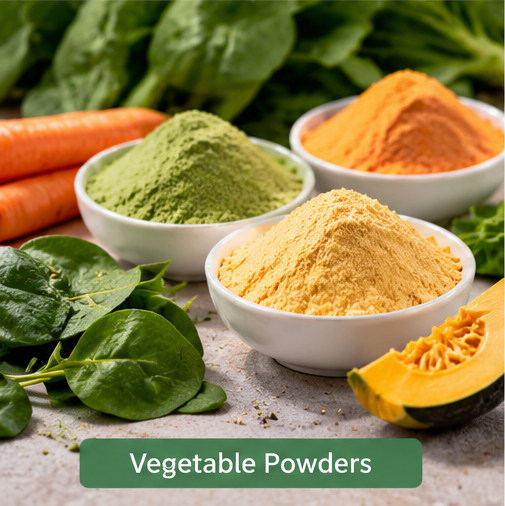
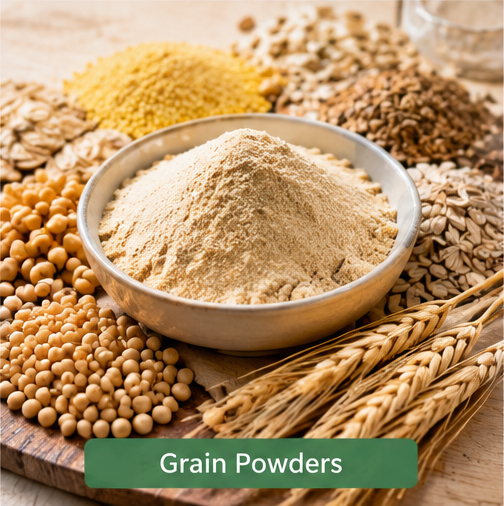
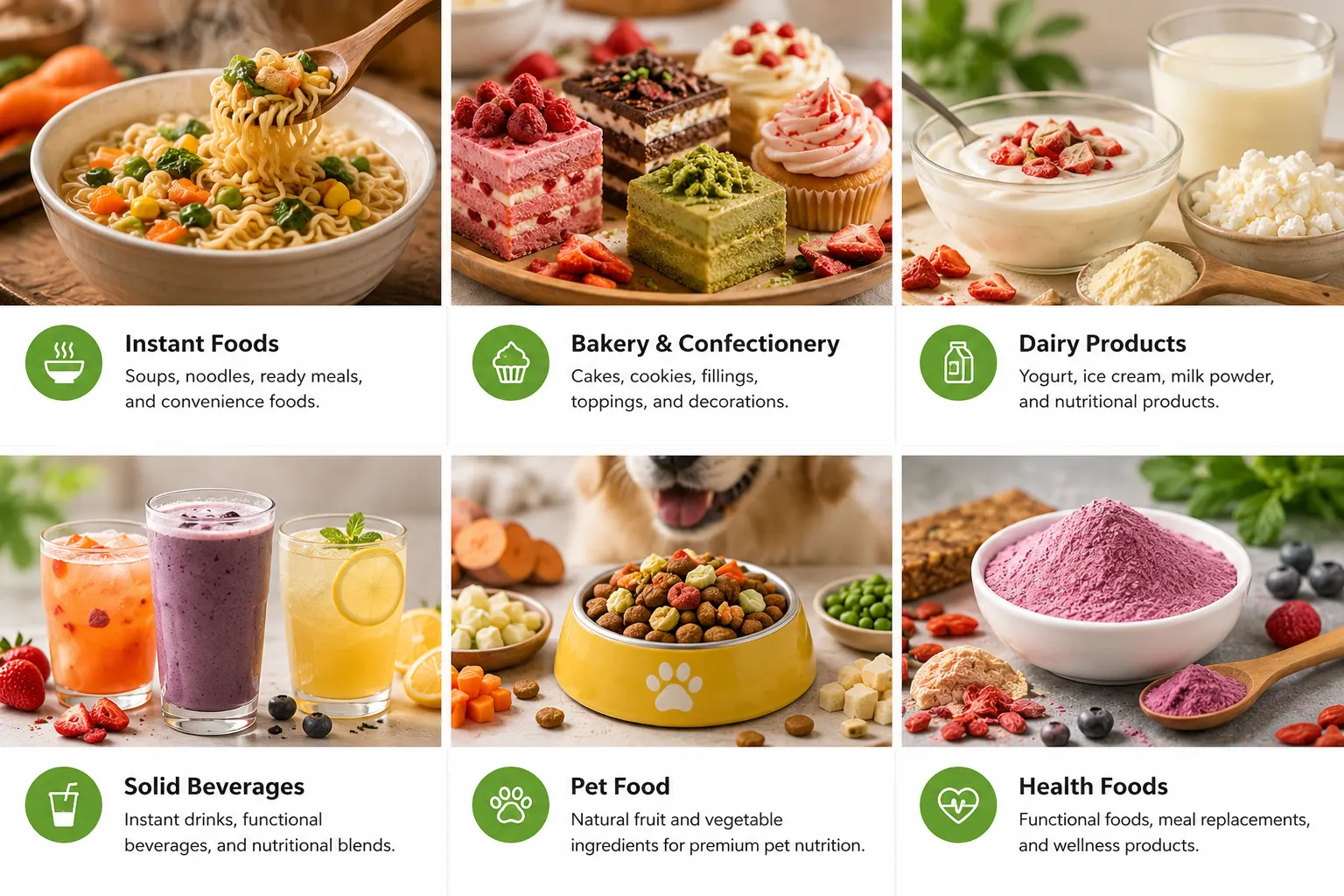
Vegetables are widely used in instant foods, 调味料, ready meals, 宠物食品, and health products. For food manufacturers, selecting the right processing method can significantly affect product quality, shelf life, nutrition, and production costs.
Among the most common options, freeze-dried vegetables and dehydrated vegetables are widely used across the food industry. But what are the differences between them, and which option is better for your application?
This article compares freeze-dried and dehydrated vegetables to help manufacturers make informed sourcing decisions.
What Are Freeze Dried Vegetables?
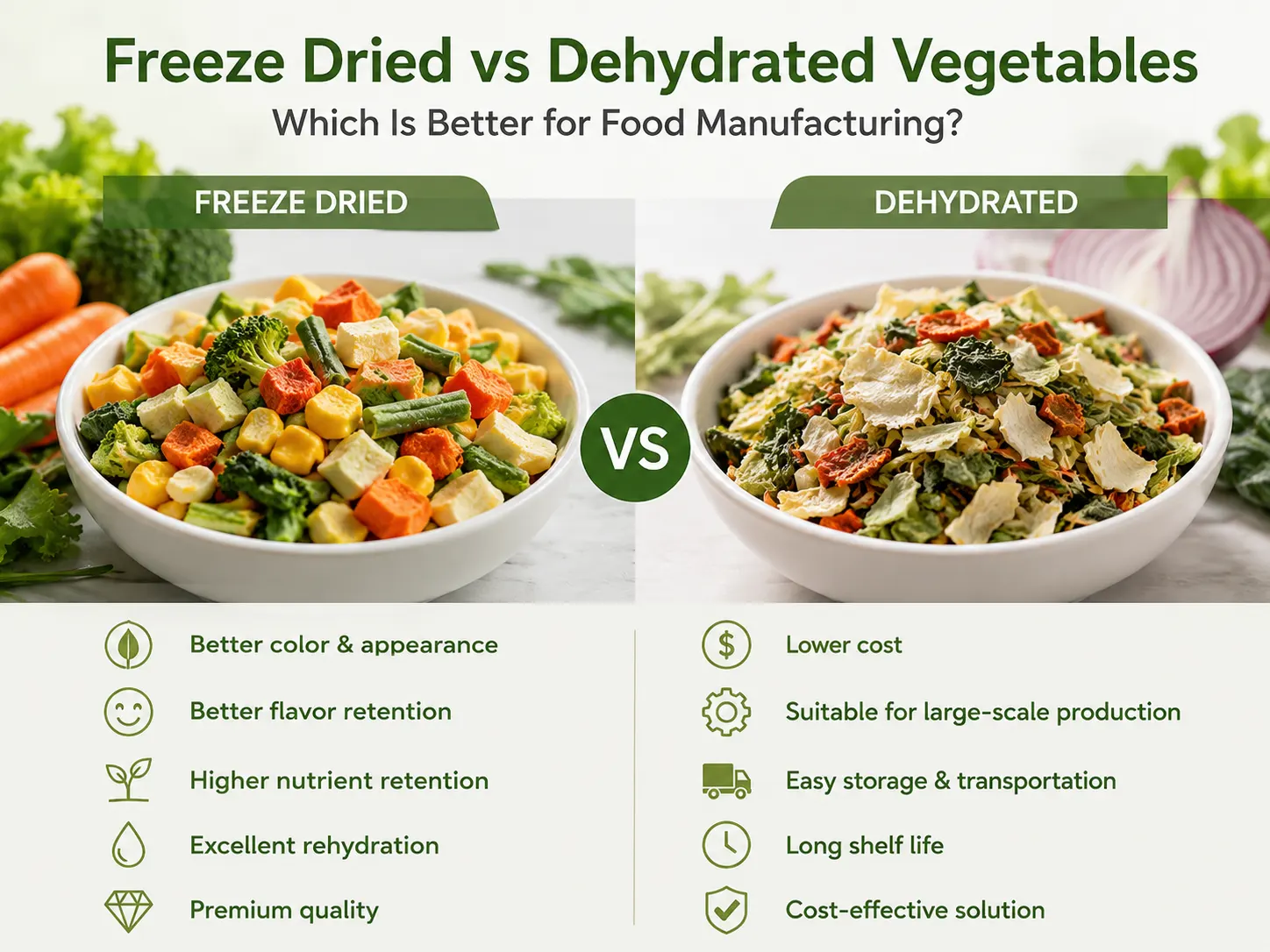
Freeze drying is a process that removes moisture from vegetables under low temperature and vacuum conditions. Water is removed through sublimation, allowing the product to retain its original structure, 颜色, flavor, and nutritional value.
Common freeze-dried vegetables include:
- Carrot
- Corn
- Chives
- Green Onion
- Spinach
- Cabbage
- Bell Pepper
Key Advantages
- Excellent rehydration performance
- Natural color retention
- Better flavor preservation
- High nutrient retention
- Long shelf life
What Are Dehydrated Vegetables?
Dehydrated vegetables are produced by removing moisture through hot-air drying or other conventional drying methods.
This process is widely used because of its cost efficiency and suitability for large-scale production.
Common dehydrated vegetables include:
- Garlic
- Onion
- Carrot
- Leek
- Cabbage
- Parsley
Key Advantages
- Lower production costs
- Competitive pricing
- Easy storage and transportation
- Suitable for seasoning applications
冻干与脱水蔬菜
| Factor | Freeze Dried | Dehydrated |
|---|---|---|
| Appearance | Excellent | Moderate |
| Flavor | Excellent | Good |
| Nutrition Retention | Very High | Moderate |
| Rehydration | Excellent | Fair |
| Shelf Life | Long | Long |
| Processing Cost | Higher | Lower |
| Product Value | Premium | Standard |
Which Industries Prefer Freeze Dried Vegetables?
Freeze-dried vegetables are commonly used in:
Instant Foods
Premium instant noodles, 汤, and ready meals require ingredients that quickly regain their original appearance and texture.
Health Foods
Consumers increasingly demand minimally processed ingredients with high nutritional value.
Pet Food
Premium pet food brands often use freeze-dried ingredients to enhance nutritional content and product quality.
Outdoor & Emergency Foods
Freeze-dried ingredients offer lightweight storage and excellent shelf stability.
Which Industries Prefer Dehydrated Vegetables?
Dehydrated vegetables are widely used in:
- Seasoning blends
- Spice manufacturing
- Industrial food processing
- Cost-sensitive applications
For products where appearance and texture are less important, dehydrated vegetables provide an economical solution.
How to Choose the Right Vegetable Ingredient Supplier
When sourcing vegetable ingredients, food manufacturers should consider:
- Product consistency
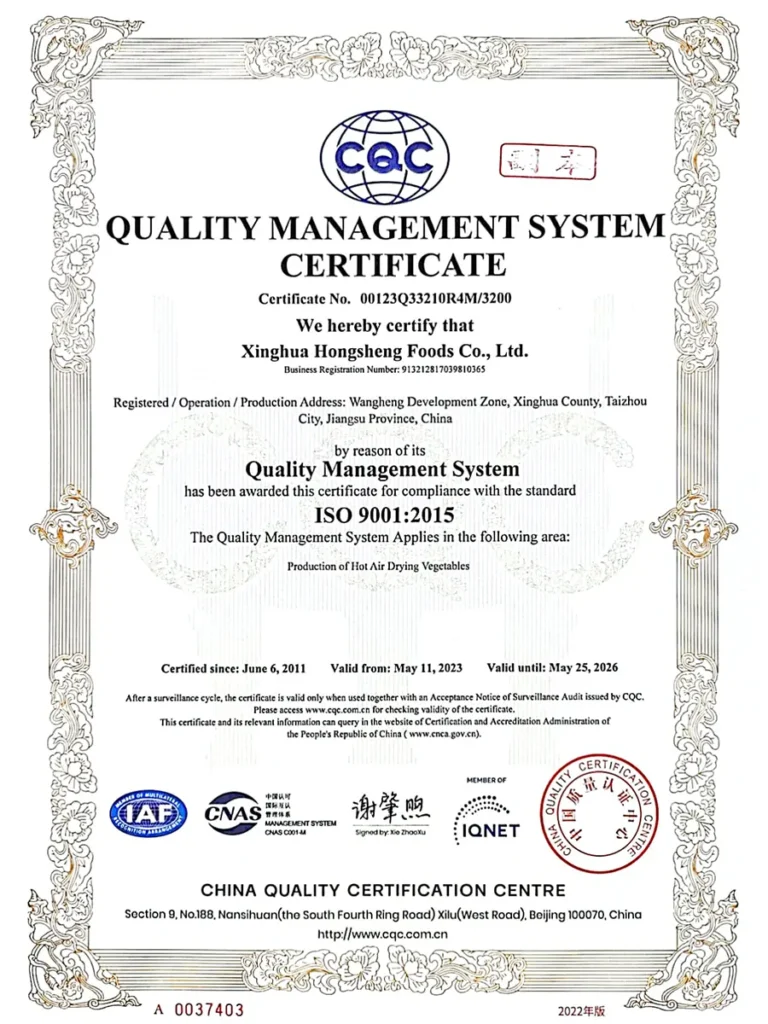
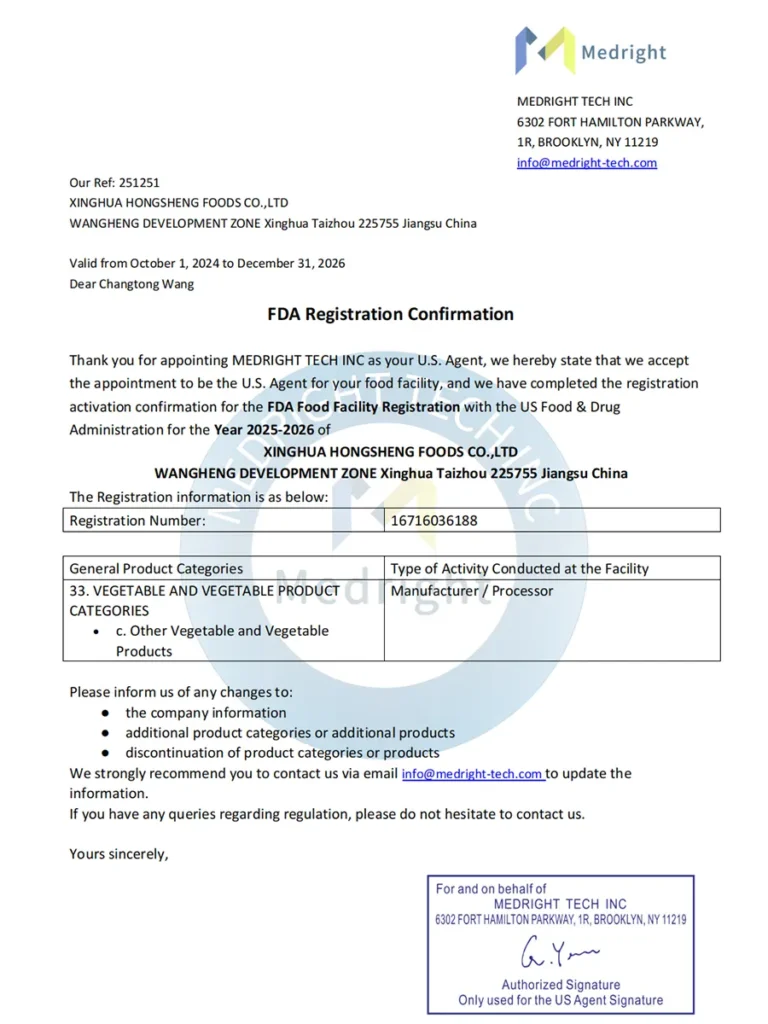
- Food safety certifications
- Production capacity
- Traceability systems
- Quality inspection procedures
- Export experience
A reliable supplier should be able to provide stable quality, customized specifications, and long-term supply support.
Conclusion
Both freeze-dried and dehydrated vegetables play important roles in modern food manufacturing.
If your priority is premium quality, excellent appearance, superior nutrition retention, and rapid rehydration, freeze-dried vegetables are often the preferred choice.
If cost efficiency and large-volume production are the main considerations, dehydrated vegetables may be the better option.
At Xinghua Hongsheng Food, we provide high-quality freeze-dried vegetables, fruits, powders, and customized ingredient solutions for food manufacturers worldwide. Contact our team to learn more about our products and OEM capabilities.